
Monday, February 27, 2017
Thinking of Thoughts
When looking out the window, I often imagine what it must have been like to have lived in the time of Ghandi. What I'm aching to see is the revolutionary nonviolence, peaceful protesting, and hope in people's eyes. But the people I see now are dull and broken; their voice stuck in their throats and their minds in outer space. Your Majesty, Ghandi, as it were, was a true leader amongst men; however, in our desperate times for change we've ironically forgotten the valuable lessons that he taught us. In other words, this grand, intelligent, leader has become is simply a man with vision, ideals, and an instinct for humanity. The physical punishment that goes with violence is greatly underplayed. Shootings are greatly understated in many countries due to the government trying to keep it all under wraps. The safe environment of our own hometown keeps us sheltered from all the suffering and pain that happens all around us all the time. People are rarely truly thinking, they show their ignorance by laughing at others. Others might argue that violence is the quickest method for change, but that is no matter. Change through such a means is always short lived and fake; a cowardly method for those with no greater plans. The world continues to hinge upon such methods, however, with wars still being fought around the world; a game of ping-pong for losers. There is no finish, just the sound of the rallying of bullets bouncing off of one another. In the end all will be lost, the earth a cavern filled with the corpses of billions who once had hope in their eyes.


Monday, February 13, 2017
Lobster Lunacy
"Wanna grab something to eat?"
"Sure!"
The anecdote regarding lobster used to being considered a prison food, "Consider the Lobster" by David Foster Wallace, was really intriguing. This is in direct contrast, as DFW mentions, to today. Nowadays, lobster (along with most seafood) is seen as a delicacy, a food fit for the rich. So my question was: How did lobster rise all the way from being dumped on a paper plate all the way up to being served on a silver platter?
Whenever I go to a restaurant, my parents are always telling me to order a specific item. In fact, most of the time it's a type of seafood, either fish or shrimp. They tell me to because they believe it's the most value. But what exactly is "value"? I certainly don't prefer eating shrimp or lobster to pizza, and pizza is only a fraction of the cost. If the value is not dictated by my own level of satisfaction or taste, then surely it must be the nutritional one?
One argument one might make then, is the nutritional value behind the food. While there might be something there, it is definitely not the main reason for the exponential rise in cost. If it were, then why aren't fruits and vegetables more expensive? Surely something like spinach has at least as much, if not more nutrition then lobster. Why, then, aren't you eating spinach three times a day? If we truly based food price on nutritional value alone, then why isn't spinach listed under the main course and not some dish served on the side?
So if lobster isn't valued for nutrition or health benefits why is it so expensive? That's essentially the same question as asking why do we watch reality TV? Or, why do we follow celebrities? It's all about cultural perception.We want to eat like the rich, talk like the rich, be the rich. Lobster, itself, has not changed over the years. It has not suddenly changed its self to become more palatable or more nutritional. It has stayed the same from the time the Founding Fathers landed to now. But it is the value that we place on it that has. We have transformed it into a delicacy. A food once consumed in vast quantities by the poor, has now consumed middle class America.
"How about we go to Red Lobster?"
"Yeah....... no."
"Sure!"
The anecdote regarding lobster used to being considered a prison food, "Consider the Lobster" by David Foster Wallace, was really intriguing. This is in direct contrast, as DFW mentions, to today. Nowadays, lobster (along with most seafood) is seen as a delicacy, a food fit for the rich. So my question was: How did lobster rise all the way from being dumped on a paper plate all the way up to being served on a silver platter?
To answer the aforementioned question. I did a bit of research.
During the early to mid 1800s, lobster was plentiful. The Atlantic was teeming
with lobster, and were even given the nickname "cockroaches of the
sea". When the railroad industry took off in the mid to late 1800s, however, so did lobster. Lobster was served on the trains to those who had rarely or never even seen it before. Inland passengers loved it. From there on, lobster became popular in the inner states, and its price skyrocketed.
"In the U.S. pop-food imagination, lobster is now the seafood analog to steak, with which it’s so often twinned as Surf ’n’ Turf on the really expensive part of the chain steak house menu."
One argument one might make then, is the nutritional value behind the food. While there might be something there, it is definitely not the main reason for the exponential rise in cost. If it were, then why aren't fruits and vegetables more expensive? Surely something like spinach has at least as much, if not more nutrition then lobster. Why, then, aren't you eating spinach three times a day? If we truly based food price on nutritional value alone, then why isn't spinach listed under the main course and not some dish served on the side?
So if lobster isn't valued for nutrition or health benefits why is it so expensive? That's essentially the same question as asking why do we watch reality TV? Or, why do we follow celebrities? It's all about cultural perception.We want to eat like the rich, talk like the rich, be the rich. Lobster, itself, has not changed over the years. It has not suddenly changed its self to become more palatable or more nutritional. It has stayed the same from the time the Founding Fathers landed to now. But it is the value that we place on it that has. We have transformed it into a delicacy. A food once consumed in vast quantities by the poor, has now consumed middle class America.
"How about we go to Red Lobster?"
"Yeah....... no."
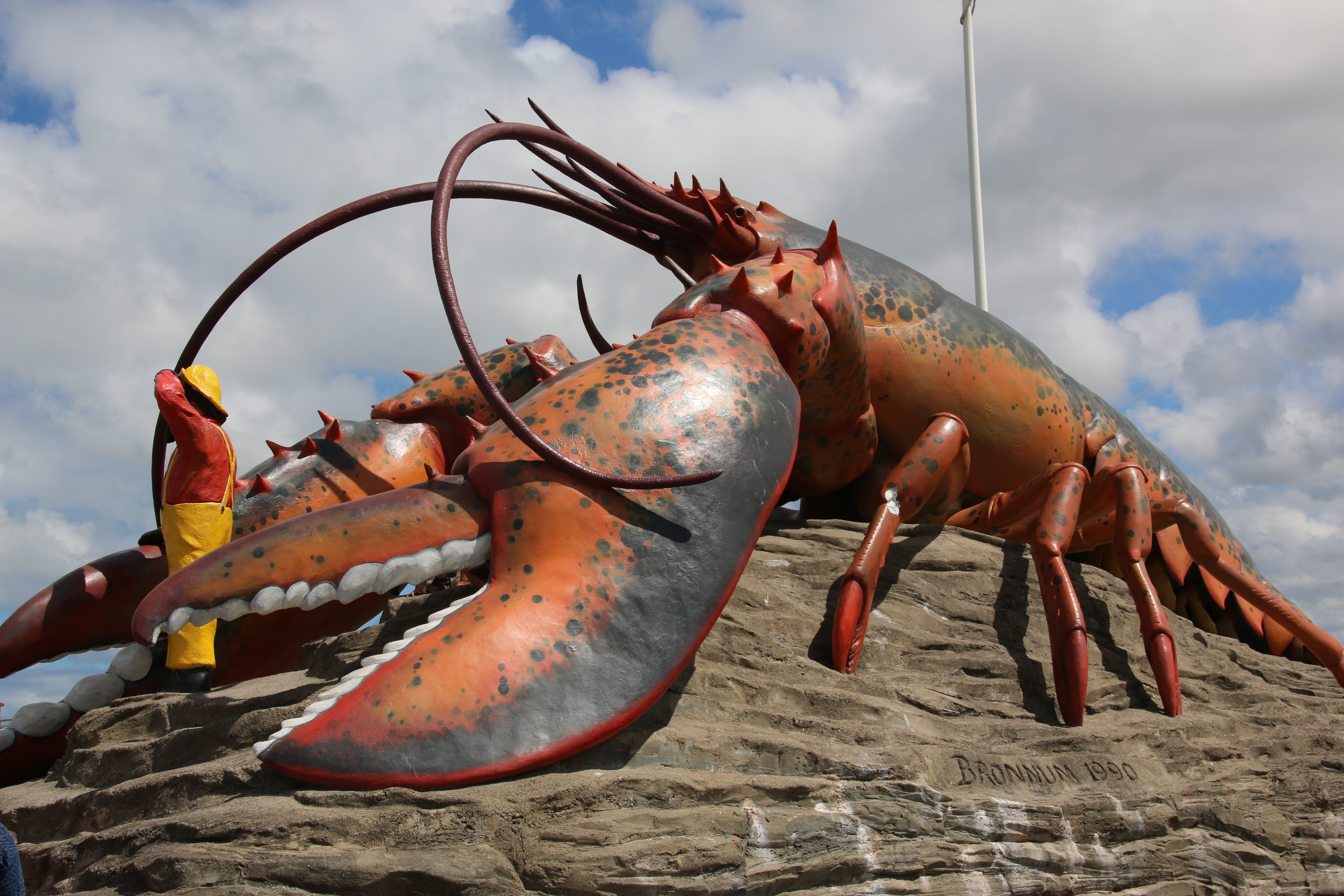 |
"All Hail Our New King"
|
Monday, February 6, 2017
Concentrating on Chess
The short story, "Arm Wrestling with My Father", was intriguing because it managed to connect with me on a more personal level. Through its anecdotes and analogies it managed to amaze me through emotional appeal. The different expressions/forms of love and how it tied in to their ever changing lives, left me speechless.
I can remember it like it was yesterday. There it was, 64 squares and 32 pieces. The ritual of the mind had begun from a young age. I remember in those games how my father would always let me choose which side to play, knowing that he would always win in the end. My greatest efforts did not change a thing. It did not matter whether I played he English opening or the French defense, both were futile against his continual advances. I saw myself staring into the timer, a bead of sweat formed across my forehead. In the end, all I could here from him was a series of "checks" before the final "checkmate". Each loss was a detriment to myself; another strategy book that I had to read. I became obsessed and consumed with the task.
"I am no longer a challenger, quick to correct his verbal mistakes, determined to beat him whenever possible in competition."
It was not soon after that I had already moved on. The games were shoved aside in favor of other interests. The mat of 64 squares was left rolled up on the table. The 32 pieces were stored neatly in their respective pouches. The timer sat there, waiting for time to pass. School was becoming ever more intense, and the time that I shared with him dwindled evermore. Maybe this summer, we will play each other again. Maybe this summer, I will be the one to say "checkmate". Or maybe rather than any of this, I'll just have fun.

(A little chess puzzle as a throwback to those times. As the title implies, white moves first and it takes three moves to checkmate. Can you figure it out?)
I can remember it like it was yesterday. There it was, 64 squares and 32 pieces. The ritual of the mind had begun from a young age. I remember in those games how my father would always let me choose which side to play, knowing that he would always win in the end. My greatest efforts did not change a thing. It did not matter whether I played he English opening or the French defense, both were futile against his continual advances. I saw myself staring into the timer, a bead of sweat formed across my forehead. In the end, all I could here from him was a series of "checks" before the final "checkmate". Each loss was a detriment to myself; another strategy book that I had to read. I became obsessed and consumed with the task.
"I am no longer a challenger, quick to correct his verbal mistakes, determined to beat him whenever possible in competition."
It was not soon after that I had already moved on. The games were shoved aside in favor of other interests. The mat of 64 squares was left rolled up on the table. The 32 pieces were stored neatly in their respective pouches. The timer sat there, waiting for time to pass. School was becoming ever more intense, and the time that I shared with him dwindled evermore. Maybe this summer, we will play each other again. Maybe this summer, I will be the one to say "checkmate". Or maybe rather than any of this, I'll just have fun.

(A little chess puzzle as a throwback to those times. As the title implies, white moves first and it takes three moves to checkmate. Can you figure it out?)
Subscribe to:
Posts (Atom)